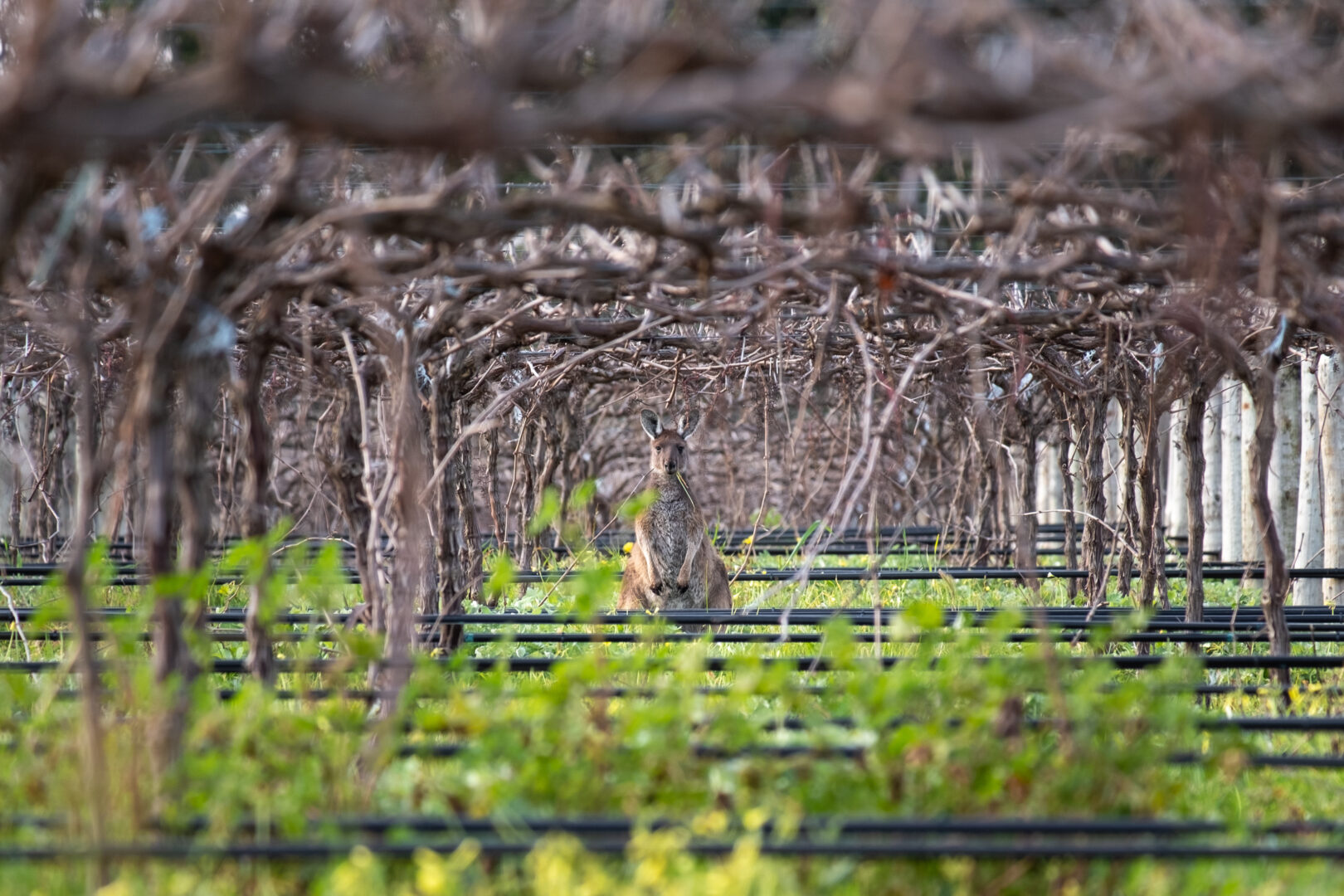
For decades, the global wine conversation has been dominated by names like Bordeaux, Burgundy, Napa Valley and Tuscany. Yet quietly, and often underestimated, Australia has become one of the most dynamic and innovative wine-producing countries in the world.
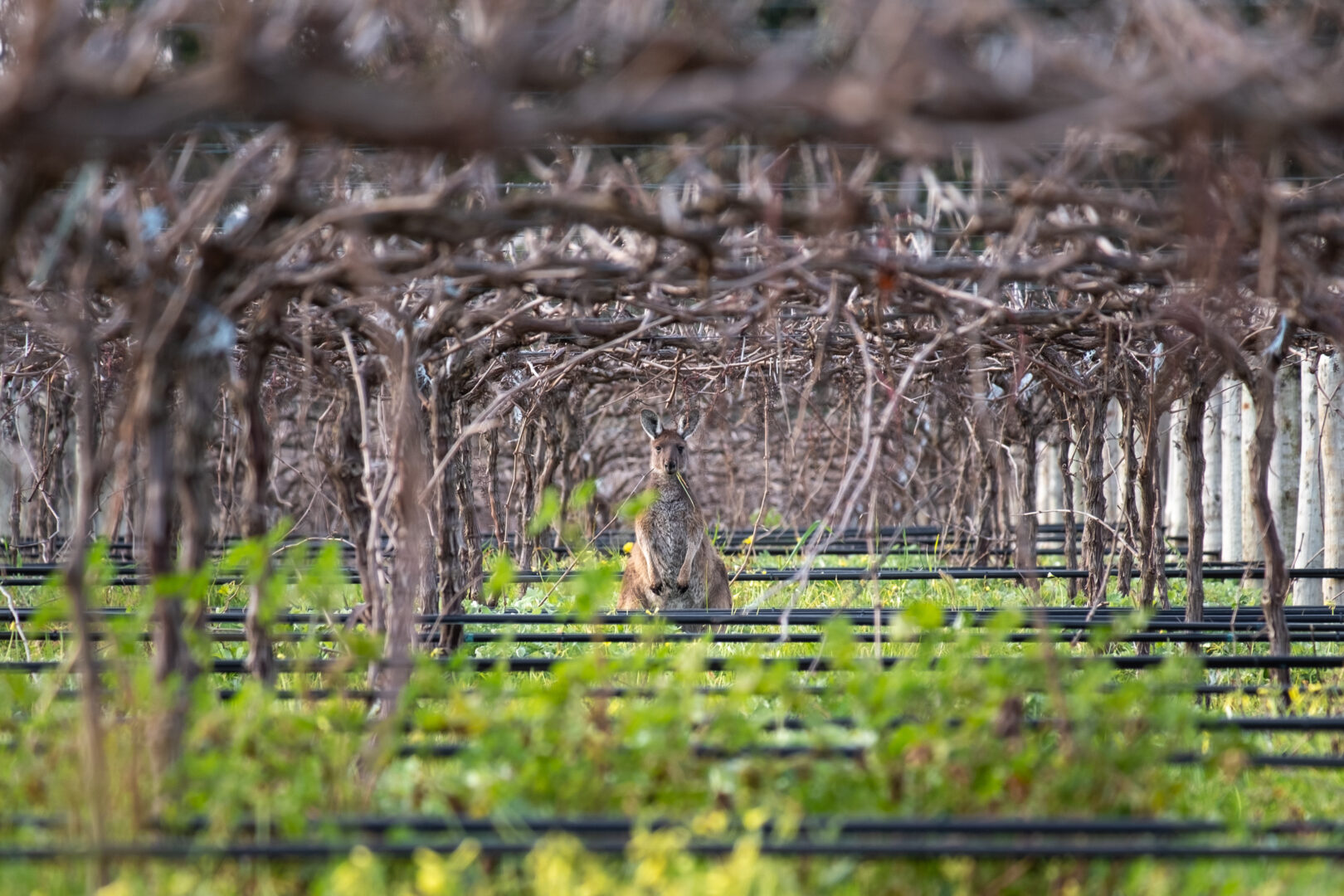
Don’t miss an intimate experience to taste five incredible wines from Down Under hosted by Brasserie Sommelier, Simone Ragusa, at our upcoming SWIRL event in June.
What makes Australian wine fascinating is not simply quality, but scale, diversity and resilience. Australia is home to more than 65 wine regions and over 100 grape varieties, stretching across climates so varied they rival entire continents. In a single country, winemakers produce everything from powerful old-vine Shiraz to cool-climate sparkling wine that rivals Champagne.
One of Australia’s greatest advantages is something few regions can match: ancient vineyards. While much of Europe’s vineyards were devastated by phylloxera in the late 19th century, parts of Australia escaped the crisis. Today, regions like Barossa Valley contain some of the oldest continuously producing vines on earth, including shiraz vines planted in the 1840s. In comparison, many famous vineyards in Europe are replanted every few decades.
These old vines produce tiny yields but extraordinary concentration and complexity. For collectors and sommeliers, old-vine Barossa wines have become some of the most sought-after bottles outside Europe. For example, a 1951 Penfolds Grange sold at auction for about A$78,000 in 2018. Only around 20 bottles were believed to remain, and the 1951 vintage was never commercially released, making it exceptionally rare.
Australia has also transformed global wine culture through innovation. In the 1980s and 1990s, Australian producers revolutionised wine marketing by putting grape varieties — such as chardonnay and cabernet sauvignon — prominently on labels. At the time, many European wines focused primarily on region names, which could feel intimidating to newer wine drinkers. Australia helped democratise wine by making it more approachable and understandable.
Yet modern Australian wine is no longer defined by the oversized, heavily oaked styles that once shaped its image abroad. A quiet renaissance is underway. Winemakers are increasingly embracing lower alcohol levels, earlier harvesting, organic farming and minimal intervention techniques.
The rise of cool-climate regions has played a major role in this evolution. Tasmania is now producing world-class sparkling wines thanks to its long, cool growing season, while Yarra Valley and Mornington Peninsula are gaining international attention for elegant pinot noir and chardonnay.
Compared to Napa Valley, where top wines can command thousands of dollars per bottle, Australia still offers remarkable value. Even highly rated wines from prestigious Australian producers often cost significantly less than their counterparts from Burgundy or Bordeaux.
Perhaps most importantly, Australian wine continues to evolve faster than many traditional regions. Mediterranean varieties like Fiano, Vermentino and Tempranillo are thriving in Australia’s warm climate, offering a glimpse into the future of winemaking in a warming world.
Australia may not always receive the same prestige as Europe’s historic regions, but for diversity, innovation, old-vine heritage and value, it has quietly become one of the most exciting wine countries on earth.