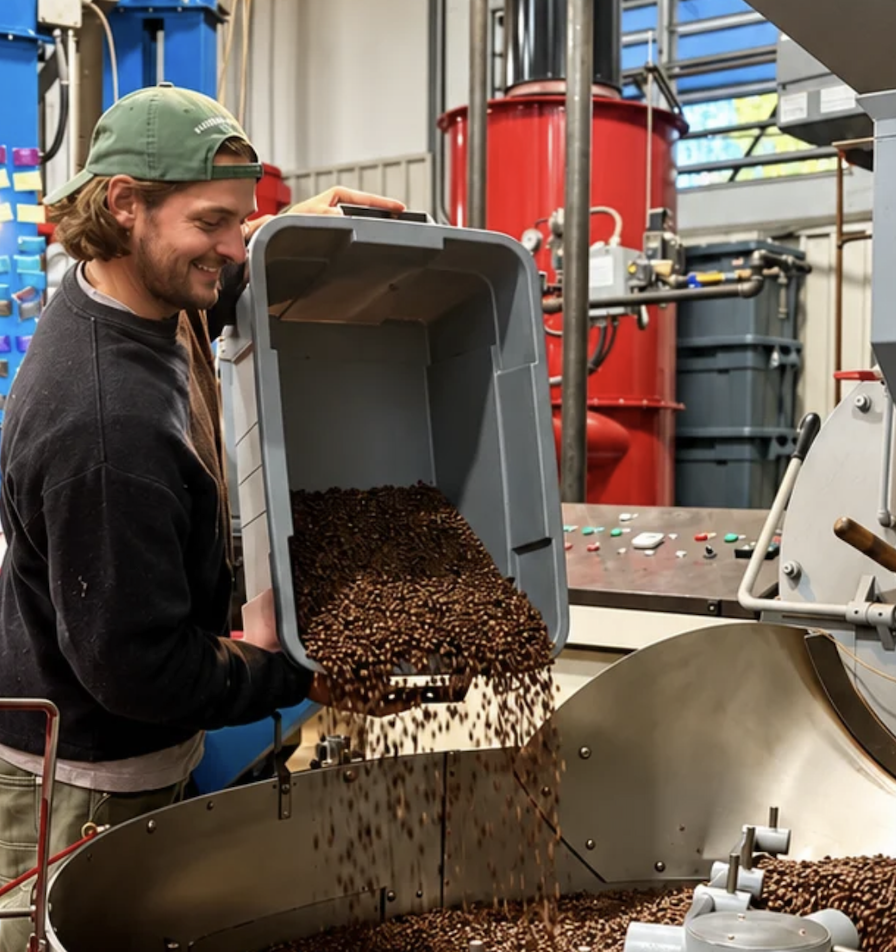
Meet Brian Heck, Barrington Coffee’s Head Roaster, whose 20-plus years in specialty coffee have taken him around the world exploring organic and biodynamic farming. Alongside leading sensory evaluation and coffee preparation classes, Brian is passionate about sharing the craft behind an exceptional cup. Visiting The Brasserie in early November for an exclusive tasting, he’ll also be joining the coffee team at the Market. Come say hello to the man behind the coffee everyone’s lining up for!
How did you first get into coffee roasting, and what led you to become Head Roaster at Barrington Coffee?
My introduction to Barrington Coffee happened while I was working as a barista over 20 years ago at a cafe serving their coffees. As I became more interested in coffee, I wanted to learn about the roasting process. I reached out to the founders, Barth Anderson and Gregg Charbonneau, about apprenticing with them. That was 18 years ago and we are still at it, still great friends and colleagues today. Staying committed to the company’s mission and a continued care of roasting coffee led me to my career and position with Barrington Coffee. I can’t imagine doing anything else.
What separates a good roast from a great one, and how do you balance the science of roasting with intuition and experience?
A great roast begins with selecting great green coffee. Our approach to roasting coffee is to highlight the coffee’s inherent characteristics rather than to be heavy handed with our roasting techniques. I believe that this approach is what distinguishes a good roast from a great roast. We are sensory roasters, meaning we roast using human senses rather than app-guided algorithms or preprogrammed settings. Using our sense of smell, vision, hearing and our palates to truly get a feel for how the coffee is developing is how we do it. This style of roasting maximises the potential to make a great coffee be truly exceptional.
When evaluating green coffee, what qualities do you look for, and what makes a particular lot stand out as worth roasting?
There are things that you can tell about a coffee by looking at it in its green state. For example, its size, its hue, and uniformity are all good tells for how it may behave. We also smell the green coffee and run it through several moisture tests. But it really isn’t until you roast and taste a coffee to unlock what’s inside.
How do you decide on a roast profile for a particular coffee, and how much can roasting influence its flavour, aroma, and body?
You can tell a lot about a coffee from what we call a sample roast, which is a very light roast treatment for analysing. Low acidity coffees with heavy body are almost always great candidates for espresso application, while coffees with brighter flavours are generally reserved to fit into our light roast category. Depending on the style of roasting, you can bring out or hide various flavours. It all depends on how we want the coffee to taste.

How do you maintain consistency across Barrington’s coffees while continuing to experiment and develop new profiles?
This all comes back to the green coffee. Our flagship coffees stem from relationships that date back over three decades. Our coffees are consistent because the coffee producers we work with have worked diligently to produce uniform coffees year in and year out, which we continue to roast consistently year in and year out. That said, we also continue to search for exciting coffees from new producers all over the world and keep up on developing coffee varieties and styles of processing.
How much do a coffee’s origin, altitude, processing method, and variety influence your roasting decisions? Are there particular origins or producers exciting you right now?
These factors have a great deal of influence on how we roast. Higher altitude coffees produce harder, denser coffee seeds, while lower altitude coffees tend to be softer and less dense. Processing methods vary wildly. For example, naturally processed coffees tend to scorch much more easily than washed processed coffees. Different coffees call for completely different roasting techniques. The coffee that I’m drinking at each moment is always the most exciting to me.
Can you describe a roast that didn’t go as planned and what it taught you about your craft?
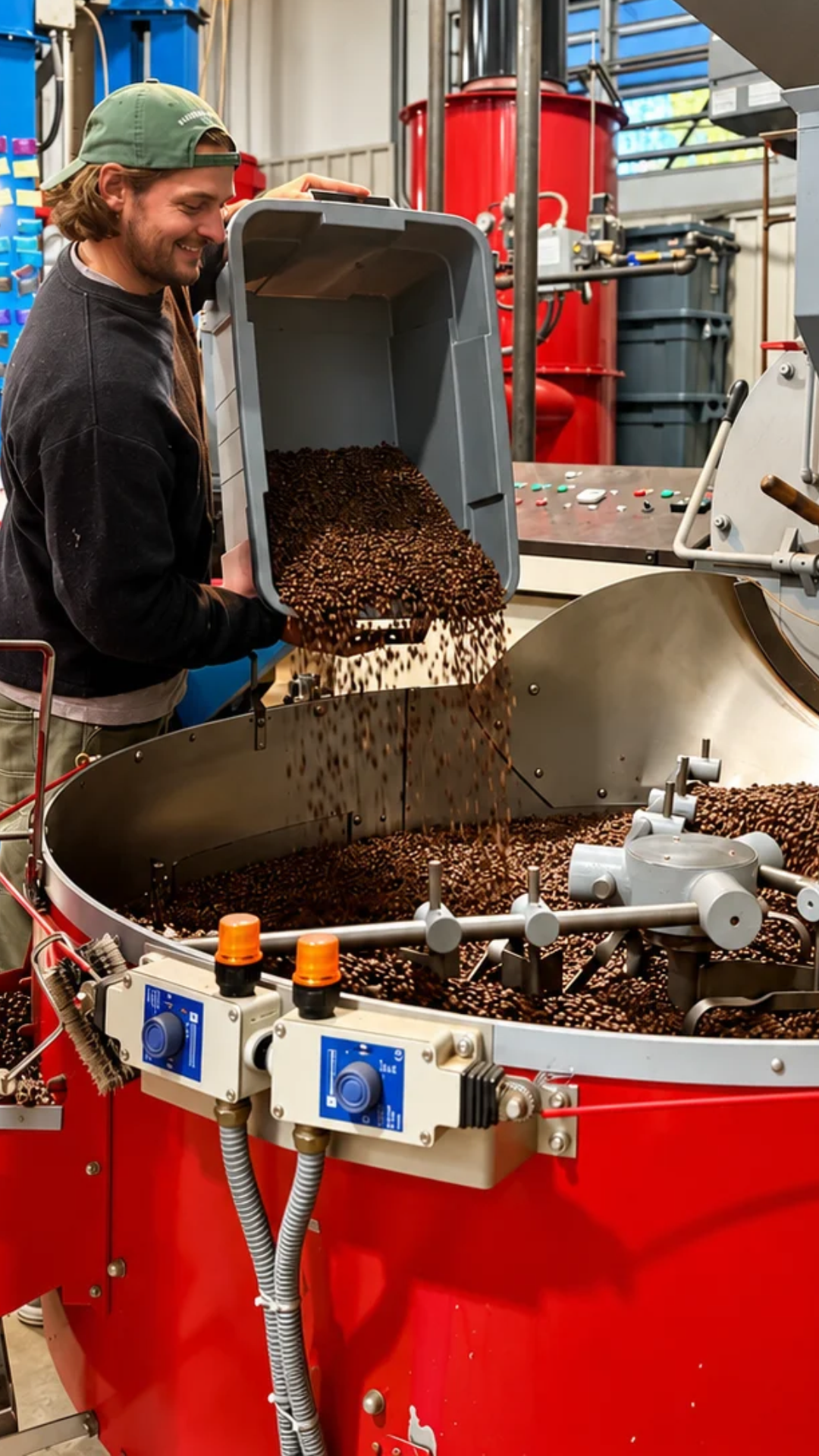
While I fortunately cannot think of a specific roast that didn’t go as planned, I have learned over my many years of roasting that a batch will always taste better when the drum of the roaster isn’t at maximum capacity. Just because we can fill the drum to the max doesn’t mean that we should.
How do relationships with coffee producers and considerations such as climate change, sustainability, and traceability influence the coffees Barrington chooses to roast?
Climate change and sustainability are some of the biggest influences and challenges in the coffee industry today. These are incredibly complex issues. With volatile environmental, economic, and political landscapes, maintaining close relationships with partners we trust has been the key to our ability to adhere to our mission of sourcing and roasting with the utmost respect to our planet and the beings who live here.
Have you noticed changes in what customers want from their coffee in recent years, and how do those preferences influence your work as a roaster?
Decaf drinking is on the rise. In response, there are more exciting decaf coffees available. This is a relatively new phenomenon, and it’s really exciting to be able to taste new decaf coffees due to this shift.
What is one thing you wish more people understood about freshly roasted coffee, and what practical advice would you give them for getting the most out of every cup at home?
Freshly roasted coffee will always taste better than coffee that’s been sitting around. It is for this reason Barrington Coffee does not have an inventory of roasted coffee. We roast to order based on our customers’ needs. We’ve found that this gives our customers the best possible coffee experience. My best advice for getting the most out of every cup at home would be to select freshly roasted coffee and keep it away from air, moisture and light. Also, make sure you’re grinding your coffee just before brewing and properly grinding based on how you plan to prepare it.