Love it or hate it, eggnog shows up every holiday season like that one relative who insists on singing karaoke. Creamy, spiced, and occasionally strong enough to make you rethink your life choices, eggnog has a long history and plenty of personality. Let’s crack into the story behind this festive favorite, along with some fun facts and delicious variations.
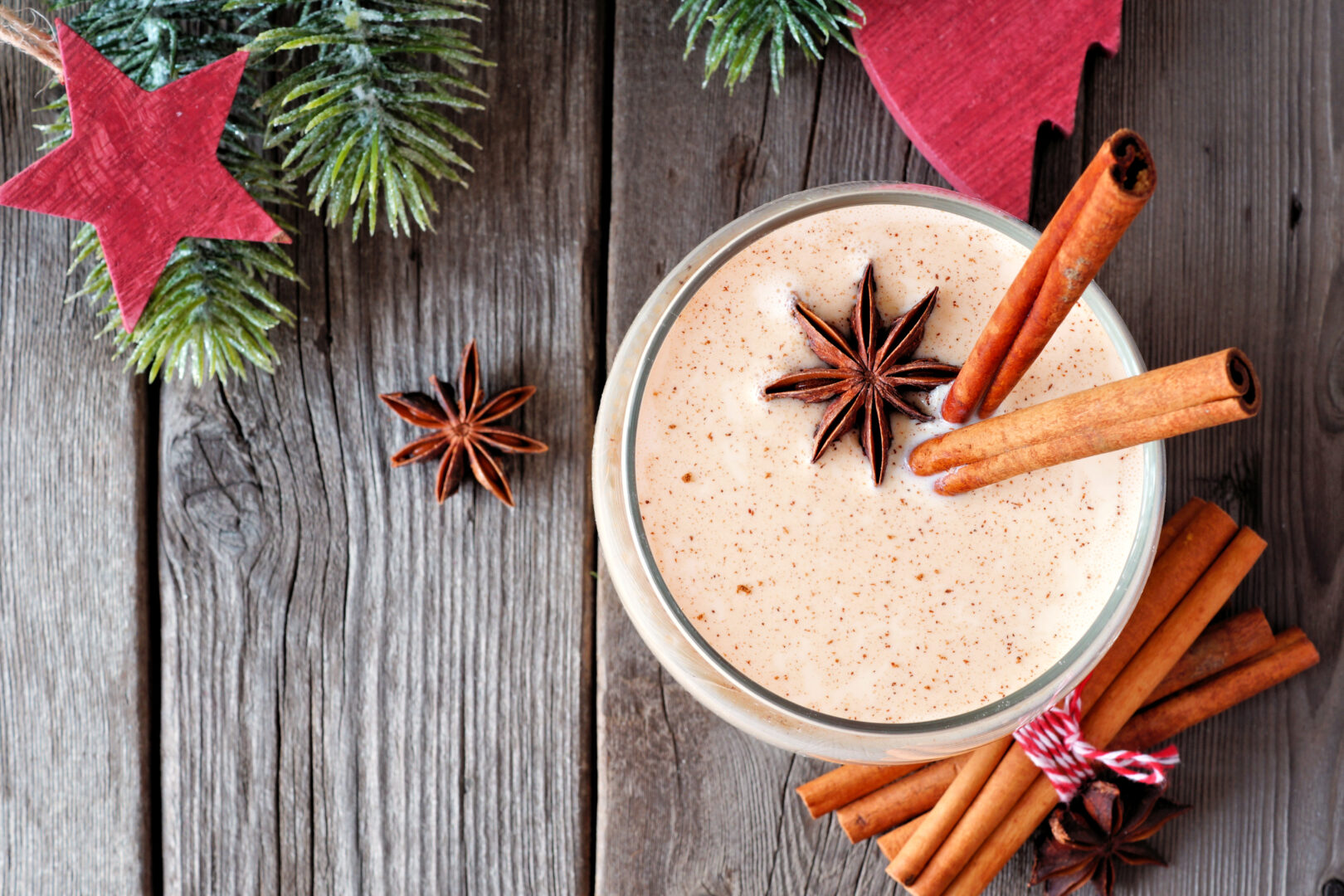
Eggnog’s origins can be traced back to medieval Europe. Its ancestor was a drink called posset, a hot mixture of milk, ale or wine, and spices, often thickened with eggs. Posset was considered nourishing and was sometimes used as a remedy for colds. Because milk, eggs, and spices were expensive, drinks like this were typically enjoyed by the wealthy.
When European settlers arrived in North America in the 1700s, they brought posset with them. However, brandy and wine were costly in the colonies, so rum – cheap and plentiful due to Caribbean trade – became the alcohol of choice. This adaptation helped shape what we now recognise as eggnog. The name itself is believed to come from “nog,” a strong ale, or “noggin,” a small wooden cup used to serve drinks.
Eggnog once caused an actual riot. In 1826, West Point cadets smuggled whiskey into their eggnog during a Christmas party. The result? Broken windows, injured officers and several expulsions. Proof that spiked eggnog has always been dangerous.
Today, eggnog remains wildly popular in the U.S. Alone, Americans consume millions of gallons each year during the holiday season. Despite its indulgent reputation, eggnog was originally valued for its nutritional density – eggs, milk, and sugar provided calories and protein during cold winters.
Another fun fact: traditional eggnog was often served warm, not cold, making it closer to a spiced custard drink than the chilled version commonly sold in cartons today.
Eggnog has cousins around the world, each with its own personality. Here at The Brasserie our house-made Coco Bluff coconut eggnog champions local ingredients. Puerto Rico’s coquito adds coconut milk and rum, making it eggnog’s tropical, better-dressed sibling. Mexico’s rompope is sweeter and smoother, often flavoured with cinnamon and vanilla. Germany’s eierpunsch is served warm with white wine, because Germans believe winter drinks should fight the cold directly. Even in the U.S., families argue fiercely over eggnog recipes. Rum or bourbon? Thick or drinkable? Homemade or from a carton? These debates have ended friendships.
Classic eggnog includes eggs, milk, cream, sugar, nutmeg, and alcohol, topped with a sprinkle of festive confidence. Modern versions cater to everyone: dairy-free eggnog with almond or oat milk, vegan eggnog with no eggs at all (ironically), and alcohol-free versions for kids – or adults who want to remember the holidays.
Whether you sip it reluctantly, enthusiastically, or with a heavy pour of rum, eggnog remains a holiday icon. Love it or loathe it, eggnog isn’t just a drink – it’s a tradition, a conversation starter, and occasionally a terrible decision. Cheers to that!
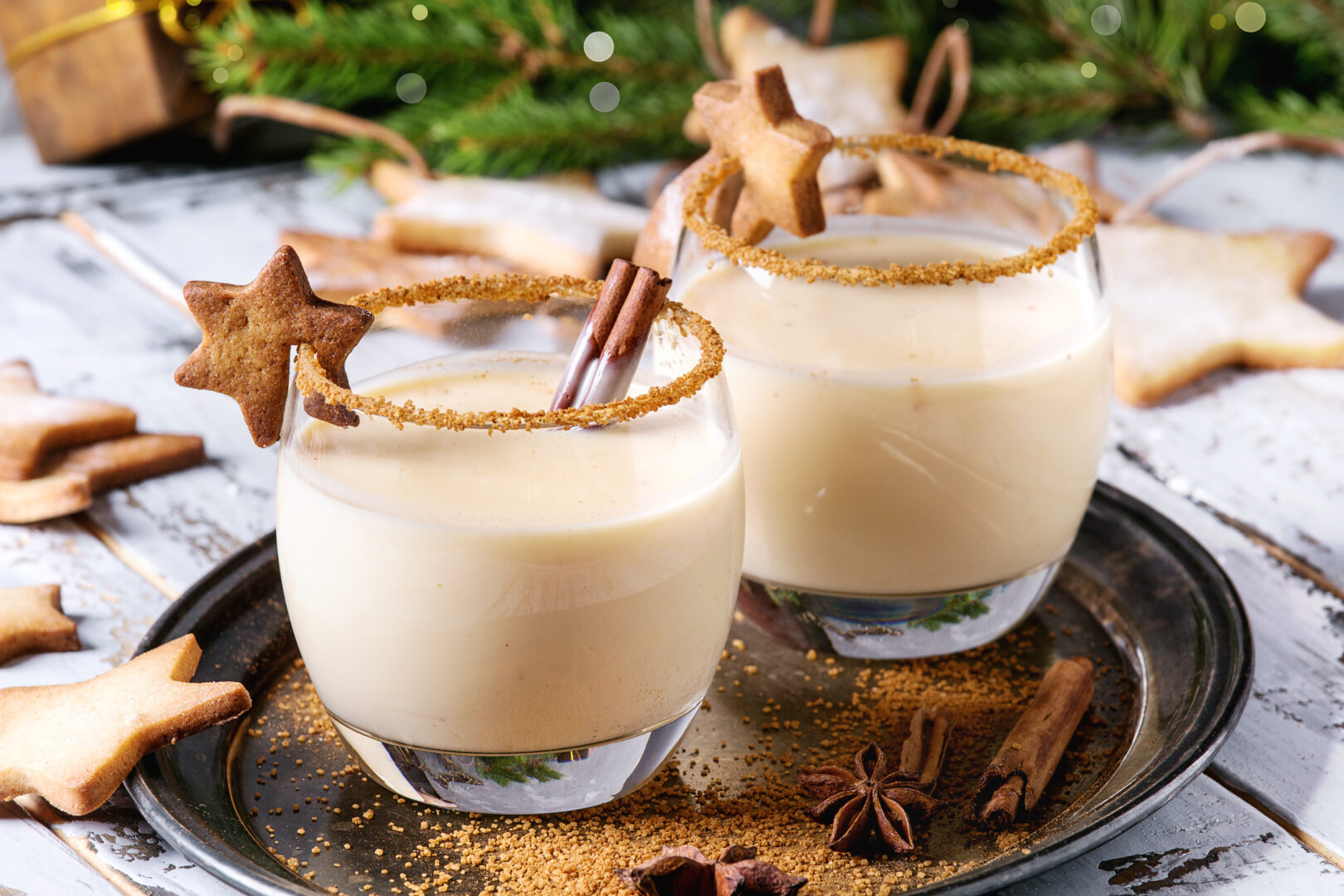
Classic Homemade Eggnog Recipe
Yield: Serves 6–8
Prep Time: 15 minutes
Chill Time: 1–2 hours (optional but recommended)
Ingredients
- 6 large eggs, separated
- ¾ cup granulated sugar, divided
- 2 cups whole milk
- 1 cup heavy cream
- 1 teaspoon vanilla extract
- ½ teaspoon ground nutmeg (plus more for garnish)
- ¼ teaspoon ground cinnamon (optional)
- ½ cup alcohol (optional – bourbon, rum, or brandy work well)
Instructions
- In a large bowl, whisk the egg yolks with ½ cup of the sugar until pale, thick, and slightly creamy.
- Slowly whisk in the milk, heavy cream, vanilla, nutmeg, and cinnamon until fully combined.
- Stir in the bourbon, rum, or brandy if using. Adjust to taste.
- In a separate bowl, beat the egg whites until soft peaks form. Gradually add the remaining ¼ cup sugar and continue beating until stiff, glossy peaks form.
- Gently fold the egg whites into the eggnog mixture to create a light, frothy texture. Chill for at least 1 hour for best flavour.
- Pour into glasses, garnish with freshly grated nutmeg, and enjoy!
Tips & Variations
- Cooked (Custard-Style) Eggnog: For a safer option, gently heat the milk, cream, and egg yolk mixture to 160°F (71°C) while stirring constantly, then cool before adding alcohol and whipped egg whites.
- Alcohol-Free Eggnog: Simply skip the alcohol. Add an extra splash of vanilla or a pinch of nutmeg for more flavour.
- Dairy-Free/Vegan Version: Use almond, oat, or coconut milk, skip the eggs, and thicken with blended cashews or cornstarch. Sweeten with maple syrup or sugar and spice generously.
- Flavour Twists: Add cloves or star anise while chilling, stir in a tablespoon of cocoa powder, or add a splash of cold brew or espresso.